How Brands Use Branded Photo Booths for Event Activations
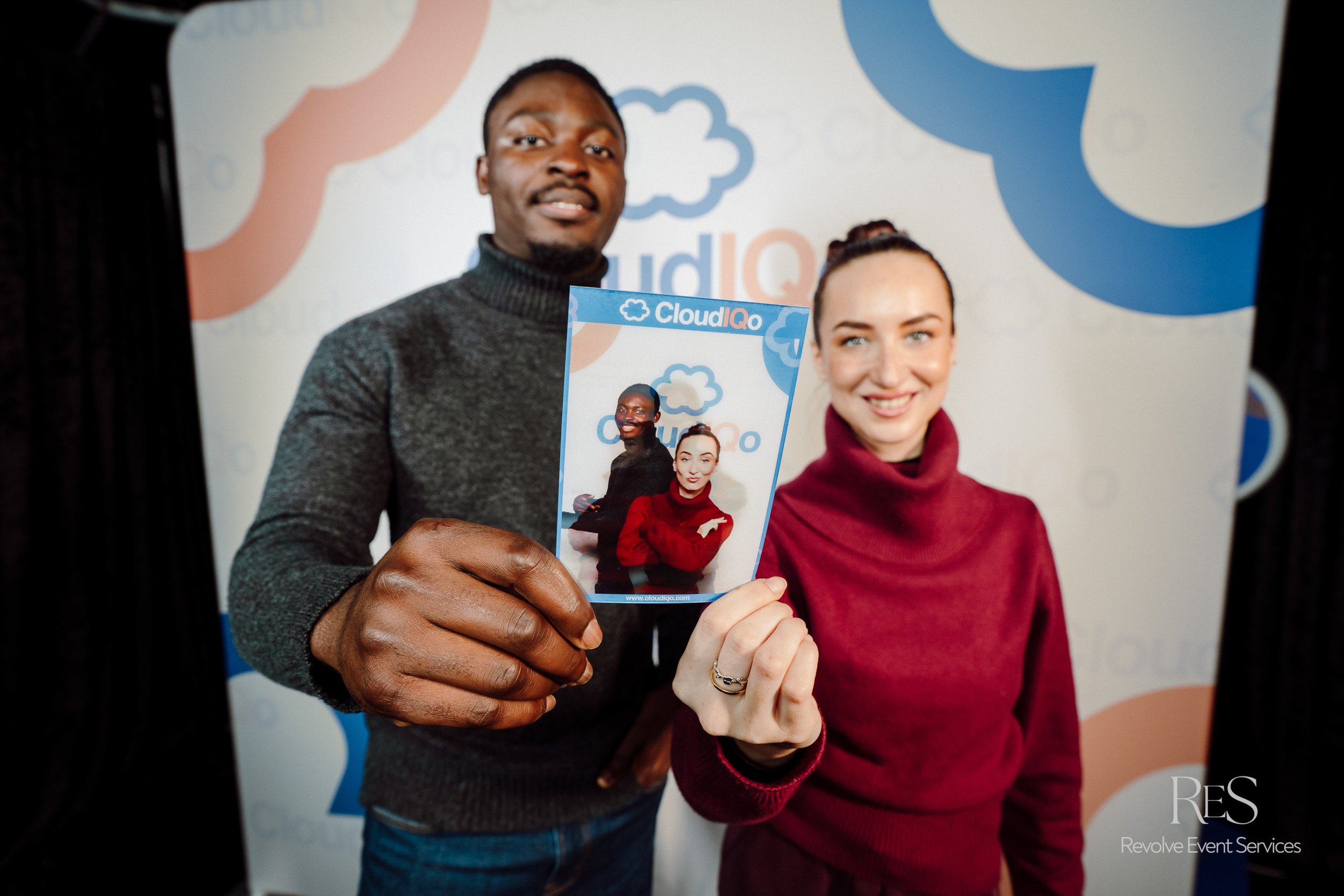
Custom branded photo booth experience
Brand activations have changed. Logos on banners and passive sponsorships no longer create meaningful engagement. Today, brands are expected to offer interactive, shareable experiences that people actually want to participate in.
Brands planning corporate events often look for an event photo booth in Toronto that goes beyond entertainment and supports real marketing goals.
That’s why branded photo booths have become a staple at event activations, trade shows, sponsored community events, and experiential marketing campaigns across Toronto and the GTA.
When done right, a branded photo booth becomes more than entertainment, it becomes a marketing tool.
What Is a Branded Photo Booth?
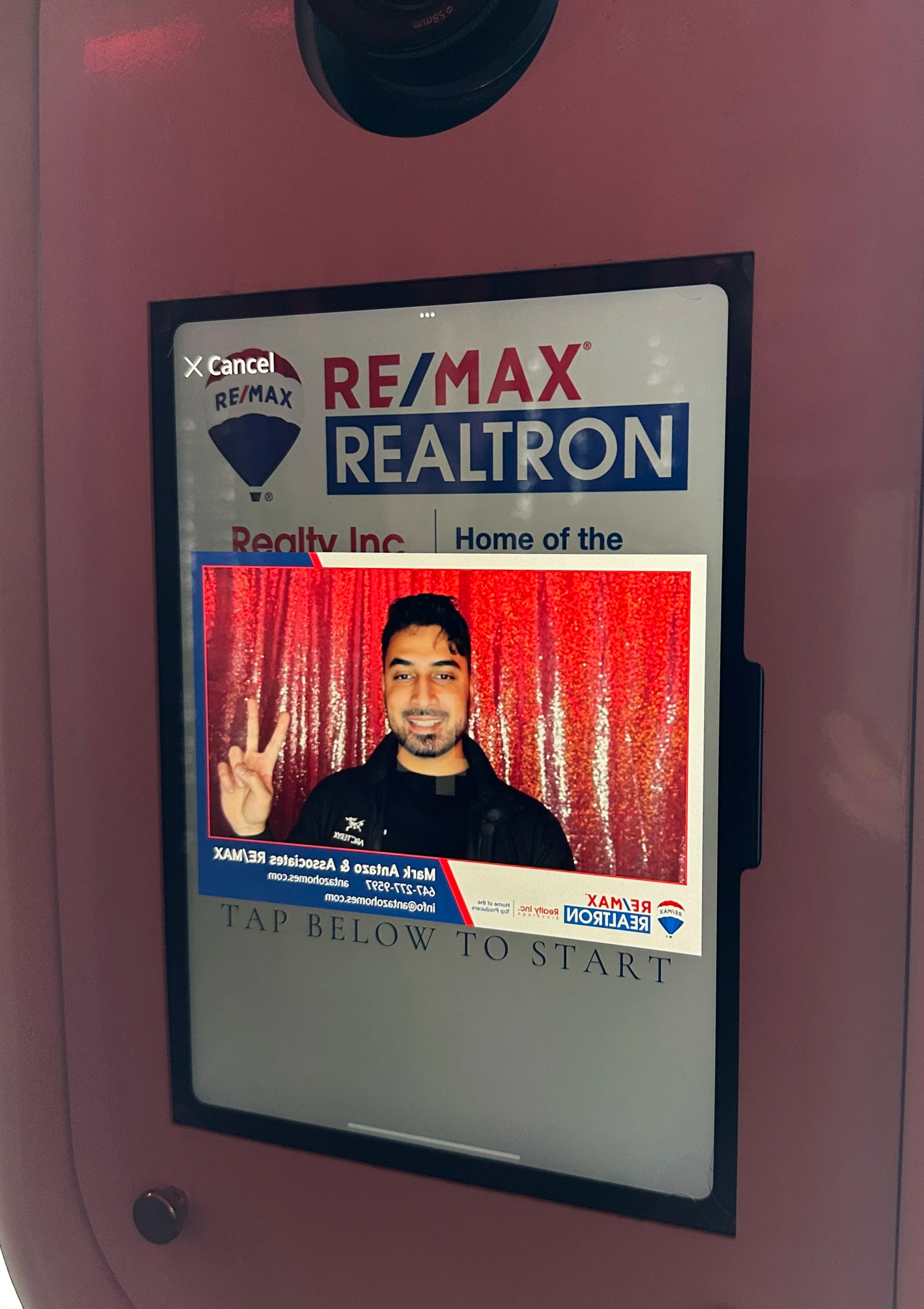
Branded photo booth experience for a lead generation event
A branded photo booth is a fully customized photo experience designed to reflect a brand’s identity and campaign goals.
Unlike standard photo booths, branding is integrated throughout the entire experience, including:
The on-screen photo booth interface
Photo and video overlays
Print layouts
Text and email sharing messages
Online galleries or microsites
The result is an activation that feels intentional, immersive, and aligned with the brand’s messaging.
Why Branded Photo Booths Work So Well for Event Activations
Branded photo booths work because they invite guests to actively participate rather than passively observe.
1. They Turn Attendees Into Participants
At many events, attendees walk past booths without stopping. A branded photo booth changes that dynamic.
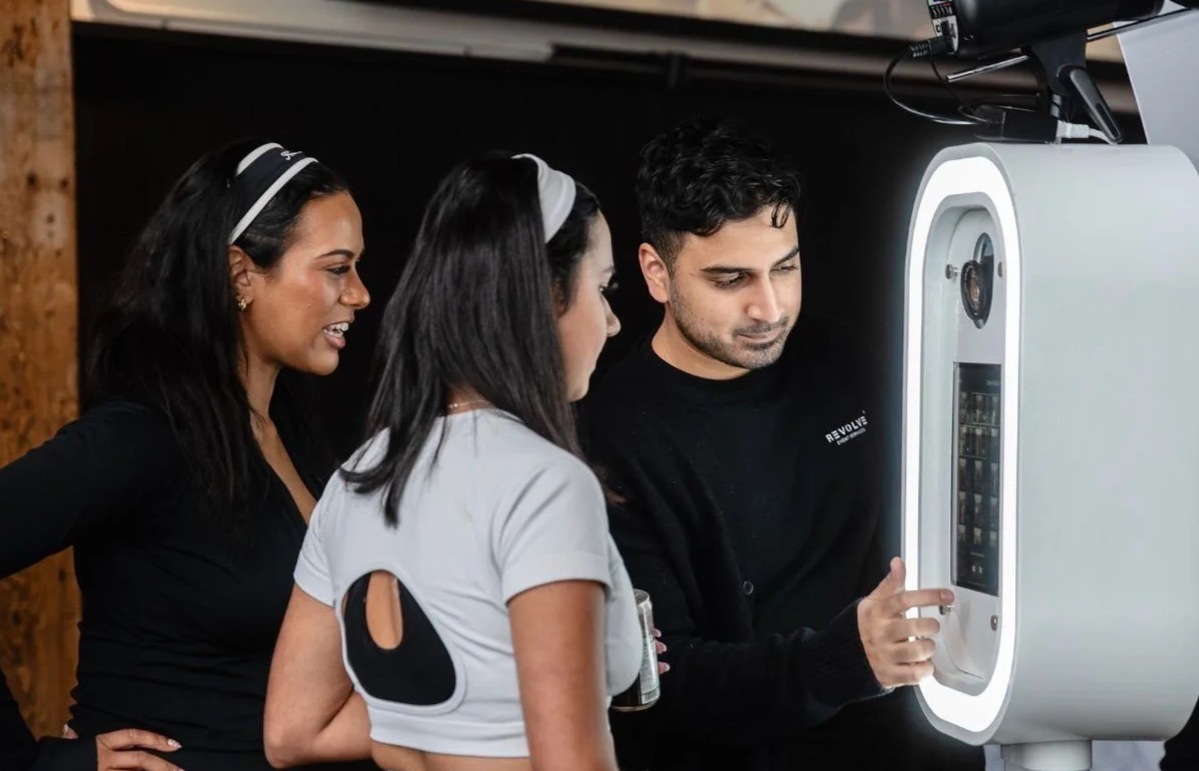
On-site attendants assist the guests to create a seamless experience
Because it’s interactive, guests:
Stop and engage
Spend more time at the activation
Invite others to join them
Return multiple times
This creates organic foot traffic and sustained engagement without feeling forced.
2. They Create Shareable Branded Content
One of the biggest advantages of a branded photo booth is content creation.
Guests leave with:
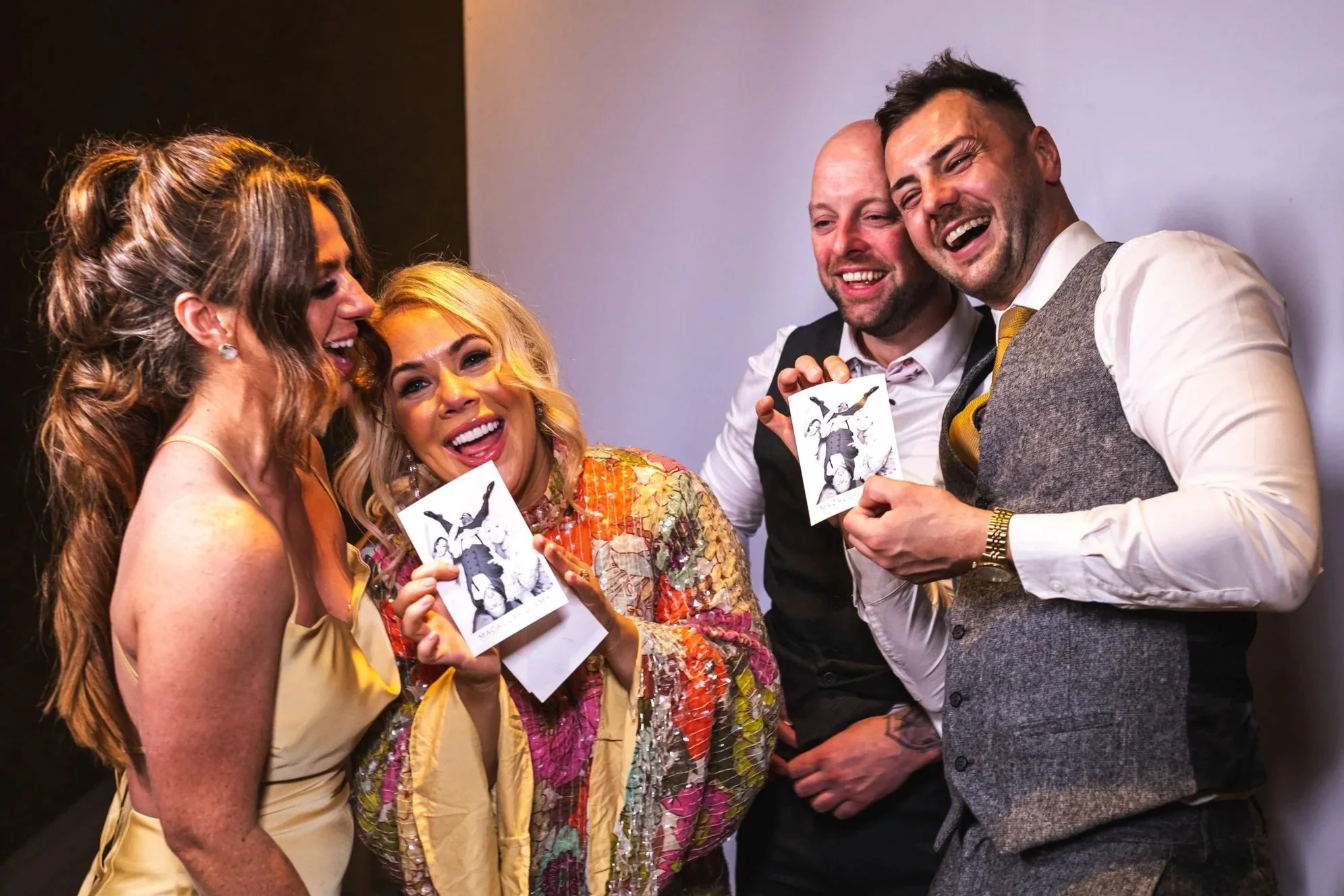
Photos or videos featuring your brand
Content they actually want to share
Assets that feel personal, not promotional
Every share extends your brand’s reach beyond the event floor, turning attendees into advocates.
3. Branding Is Seen, Not Ignored
Traditional sponsorship placements often get overlooked. With a branded photo booth, branding is part of the experience itself.

Brand elements can appear on:
The live capture screen
Printed photos
Digital sharing pages
Follow-up emails and texts
Because guests interact with the experience directly, branding feels natural rather than intrusive.
Common Ways Brands Use Photo Booths for Activations
Trade Shows and Conferences
Branded photo booths work exceptionally well at trade shows.
They:
Draw attendees to your booth
Create a reason to stop and engage
Support lead capture when paired with simple forms
Give attendees something memorable to take away
This is especially effective when competing for attention in busy expo halls.

Sponsored Community and Cultural Events
At festivals, cultural celebrations, and large public gatherings, brands often sponsor experiences rather than booths.
A branded photo booth allows sponsors to:
Add value to the event
Create a positive brand association
Collect meaningful engagement
Reach large audiences in a non-salesy way
Events like street festivals, cultural celebrations, and seasonal activations benefit greatly from this approach.
Brand Activations and Pop-Ups

Real estate brokerage launch
For experiential marketing campaigns, a photo booth can act as the centerpiece of an activation.
With custom visuals and prompts, brands can:
Reinforce campaign messaging
Encourage creative participation
Produce consistent, on-brand content
Extend the activation’s lifespan online
Client Appreciation and Corporate Events
Branded photo booths aren’t just for external audiences.
They’re also effective at:
Client appreciation events
Partner events
Product launches
Corporate celebrations
The experience feels premium and thoughtful, while still supporting brand visibility.
Customization Is What Makes the Activation Successful
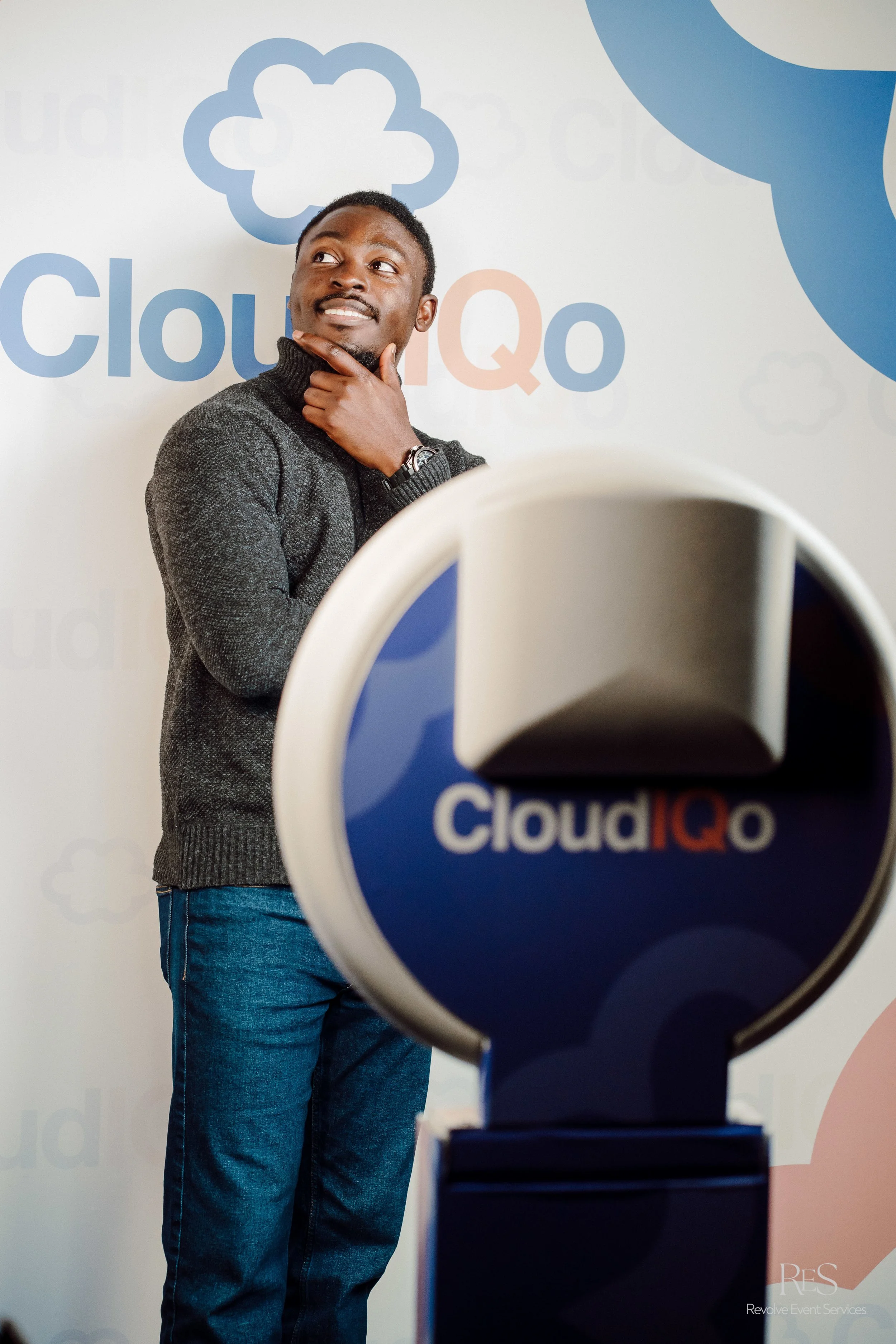
The most effective branded photo booth activations are fully customized.
Customization options often include:
Brand colors and fonts
Campaign-specific messaging
Custom overlays or video effects
Branded sharing emails and texts
Dedicated online galleries
This ensures the activation feels like part of the campaign, not a generic rental.
Branded Photo Booths vs Traditional Sponsorships
Traditional sponsorships rely on visibility. Branded photo booths rely on interaction.
Instead of hoping attendees notice your logo, a branded booth:
Invites them to engage
Gives them something to do
Creates a positive brand moment
Produces measurable engagement
For brands looking to maximize ROI from events, this shift is significant.
Measuring Success Beyond the Event
Branded photo booths don’t stop working when the event ends.
They provide:
Shareable content
Post-event brand exposure
Optional lead data
Engagement metrics
This makes branded photo booths especially effective for lead generation at corporate events, where brands want both engagement and measurable outcomes.
Choosing the Right Branded Photo Booth Partner
For successful activations, it’s important to work with a provider who understands branding, not just equipment.
Look for:
Experience with branded events
Custom design capabilities
Clean, professional presentation
Clear understanding of campaign goals
Smooth on-site execution
The booth should feel like an extension of your brand, not an add-on.
Final Thoughts
Branded photo booths have become one of the most versatile tools in experiential marketing.
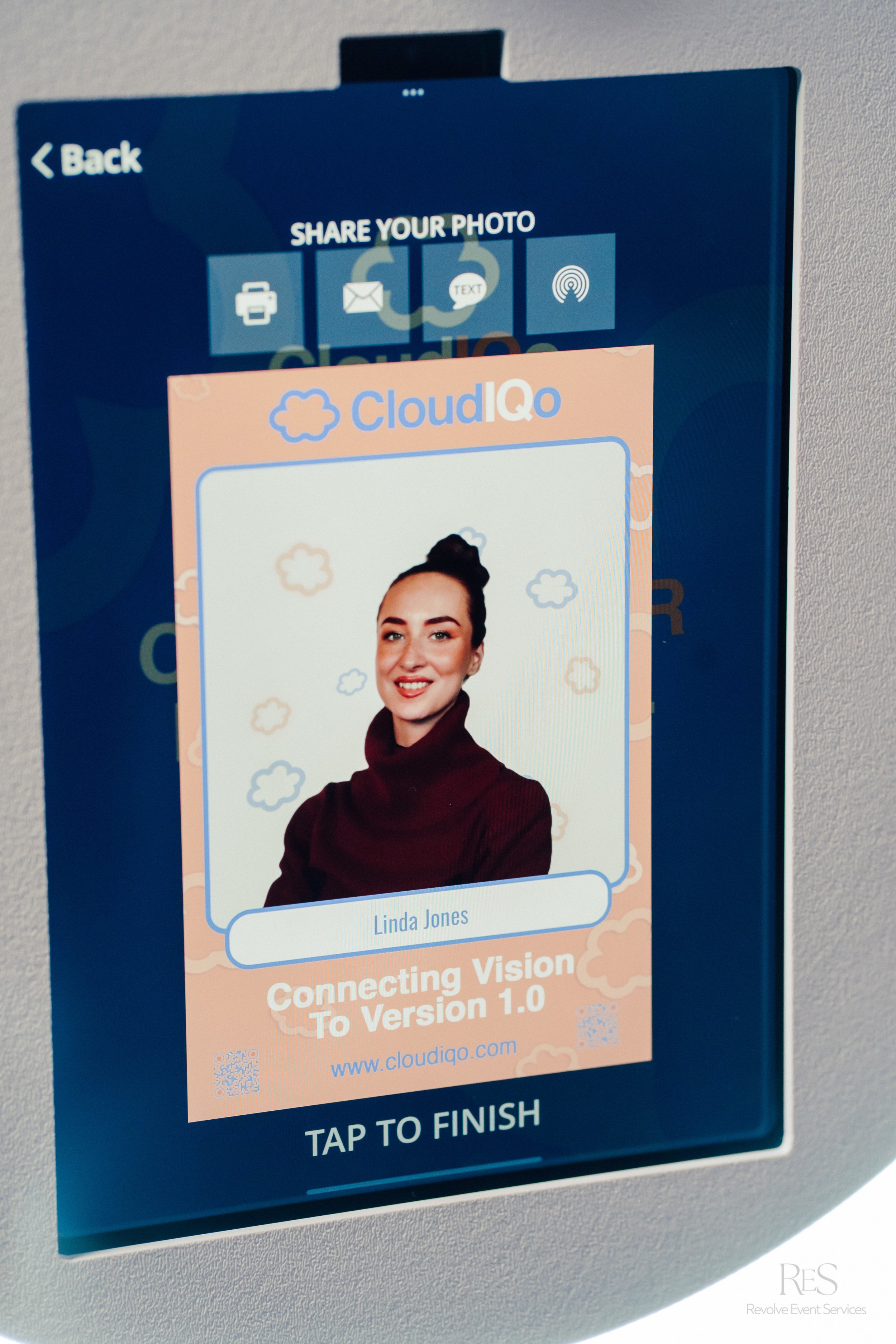
Custom name tags with input
They combine:
Engagement
Branding
Content creation
Measurable results
Whether you’re planning a trade show, sponsorship activation, community event, or brand launch, a branded photo booth helps turn attention into interaction and interaction into impact.
Planning a Branded Photo Booth Activation?
Exploring your options early allows you to design an activation that aligns with your brand goals, audience, and event type.